„Wenn autonomes Fahren möglich ist, müssen wir auch autonom fertigen können“, sagt Dr. Jens Buchert, Inhaber der Karl Walter Formen- und Kokillenbau GmbH & Co. KG. Sein Ziel ist die komplett vernetzte Produktion. Um dieses Ziel zu erreichen, hat er sich MAPAL ins Boot geholt – nicht nur als Werkzeuglieferant, sondern als Komplettanbieter. Inklusive Dienstleistungen rund um Prozessoptimierung und Vernetzung.
Im Industriegebiet von Ursenwang, einem Vorort von Göppingen im Filstal, befindet sich die Karl Walter Formen- und Kokillenbau GmbH & Co. KG (Walter). Auf rund 3.000 Quadratmetern fertigt das Unternehmen Formen und Kokillen für Aluminiumräder und weitere Gussteile und gilt in diesem Bereich als einer der führenden Hersteller. 1960 wurde das Unternehmen gegründet, heute arbeiten 32 Mitarbeiter für den Formenbauer.
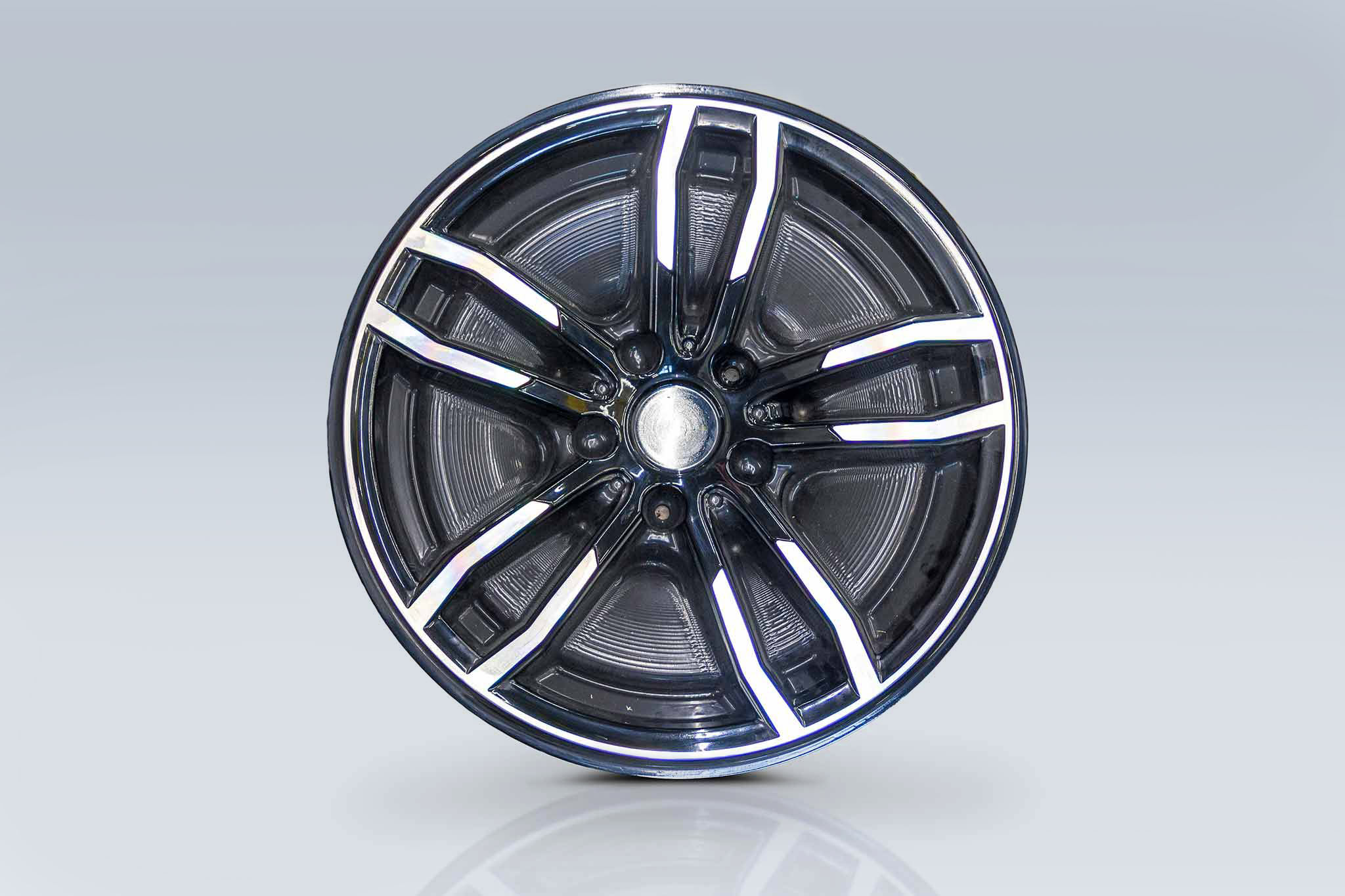
Formen für Räder wie diese werden bei Walter Formenbau gefertigt.
Dr. Jens Buchert hat das Unternehmen 2016 übernommen und Großes damit vor – er möchte eine durchgängige digitale Produktion. Das ist sein Anspruch. Mit weniger will er sich nicht zufriedengeben. Denn: „Wenn autonomes Fahren möglich ist, müssen wir auch autonom fertigen können.“ Das sei sogar ungleich einfacher: „Im Fertigungsprozess sind keine anderen Fahrer beteiligt, es läuft kein Kind auf die Straße. Wenn alles sauber geplant ist, kann wenig Unvorhergesehenes passieren“, sagt Buchert. Und doch ist es kein einfacher Weg, ein bestehendes Unternehmen komplett durchgängig zu vernetzen und automatisiert zu fertigen.
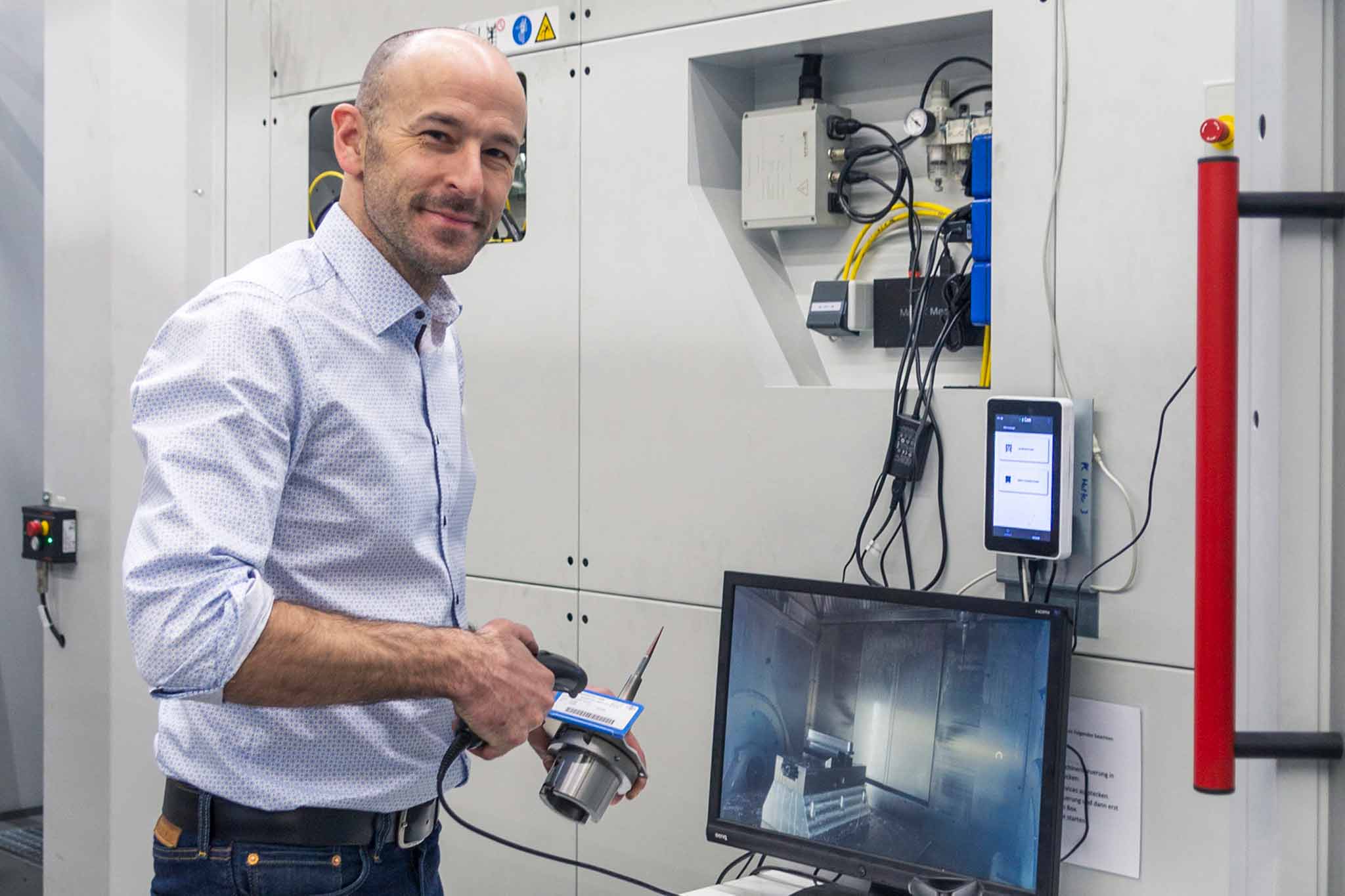
Dr. Jens Buchert an einer seiner autonom arbeitenden Maschinen. Er hat sich die komplett vernetzte Fertigung als Ziel gesetzt.
Der Anfang ist gemacht
„Nach und nach digitalisieren und vernetzen wir und arbeiten so intensiv an der optimalen Fertigung“, erläutert Dr. Jens Buchert. Dafür müsse der gesamte Prozess vom Auftragseingang bis zur Auslieferung der fertigen Formen betrachtet werden. Darunter fallen auch die Zerspanung an sich und alle Prozesse rund um die Zerspanung. „Ich habe nach einem Partner gesucht, der in diesen beiden Bereichen kompetent ist und einen gesamtheitlichen Überblick hat.“ Diesen Partner habe er mit MAPAL gefunden: „MAPAL ist der einzige Werkzeughersteller, der die komplette Prozesskette abbilden kann. Vom Werkzeug über die Spanntechnik bis hin zur Werkzeugverwaltung, der Werkzeugvoreinstellung und mit c-Com sogar der Vernetzung des Maschinenparks.“
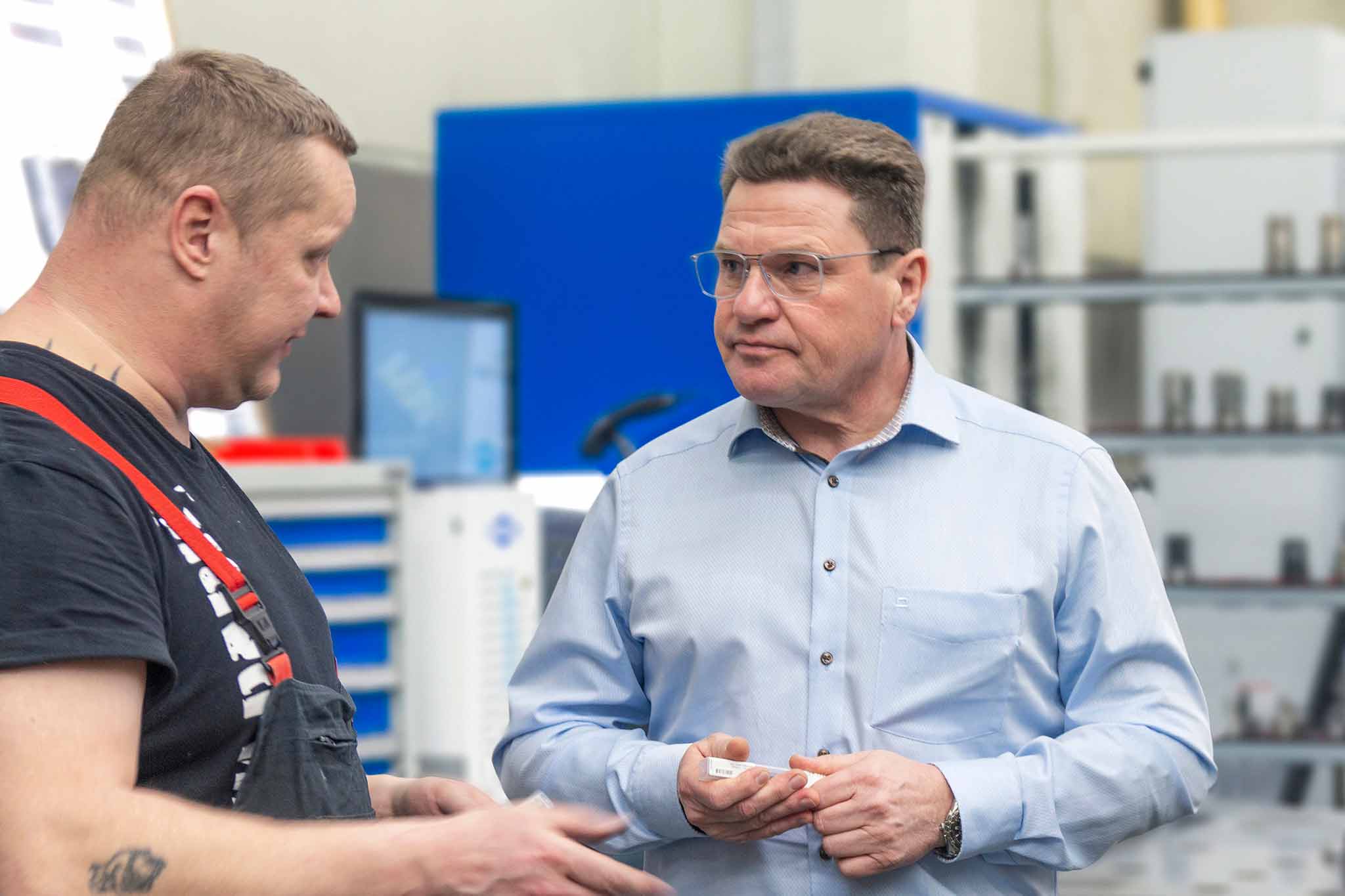
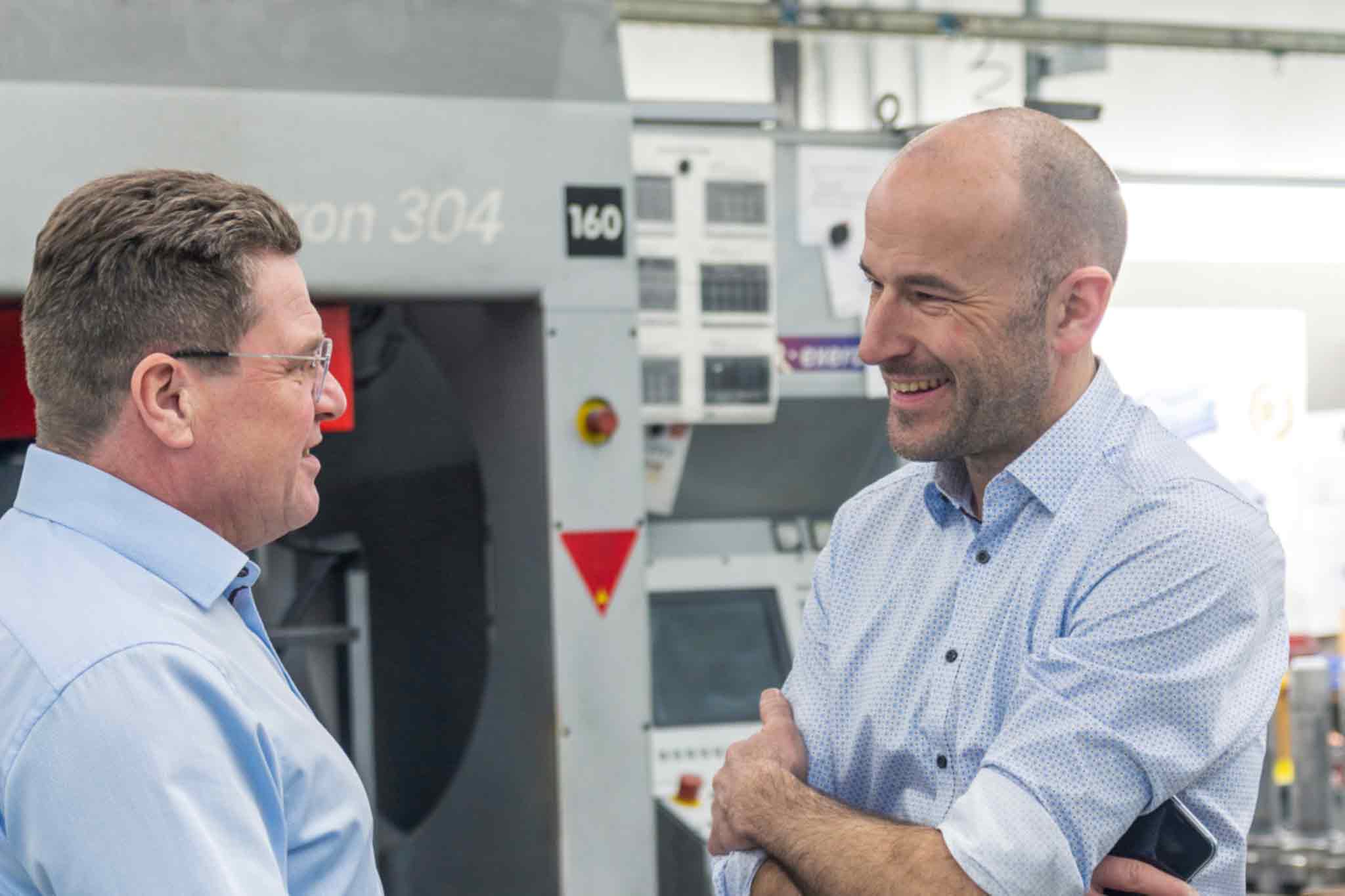
Support in der Produktion zu allen Fragen bezüglich Werkzeugen, Zerspanung und den Prozessen rund um die Werkzeuge leistet Alfred Baur. Hier im Gespräch mit David Frommhold \(links\) von Walter Formenbau.
Qualität und Leistungsfähigkeit überzeugen
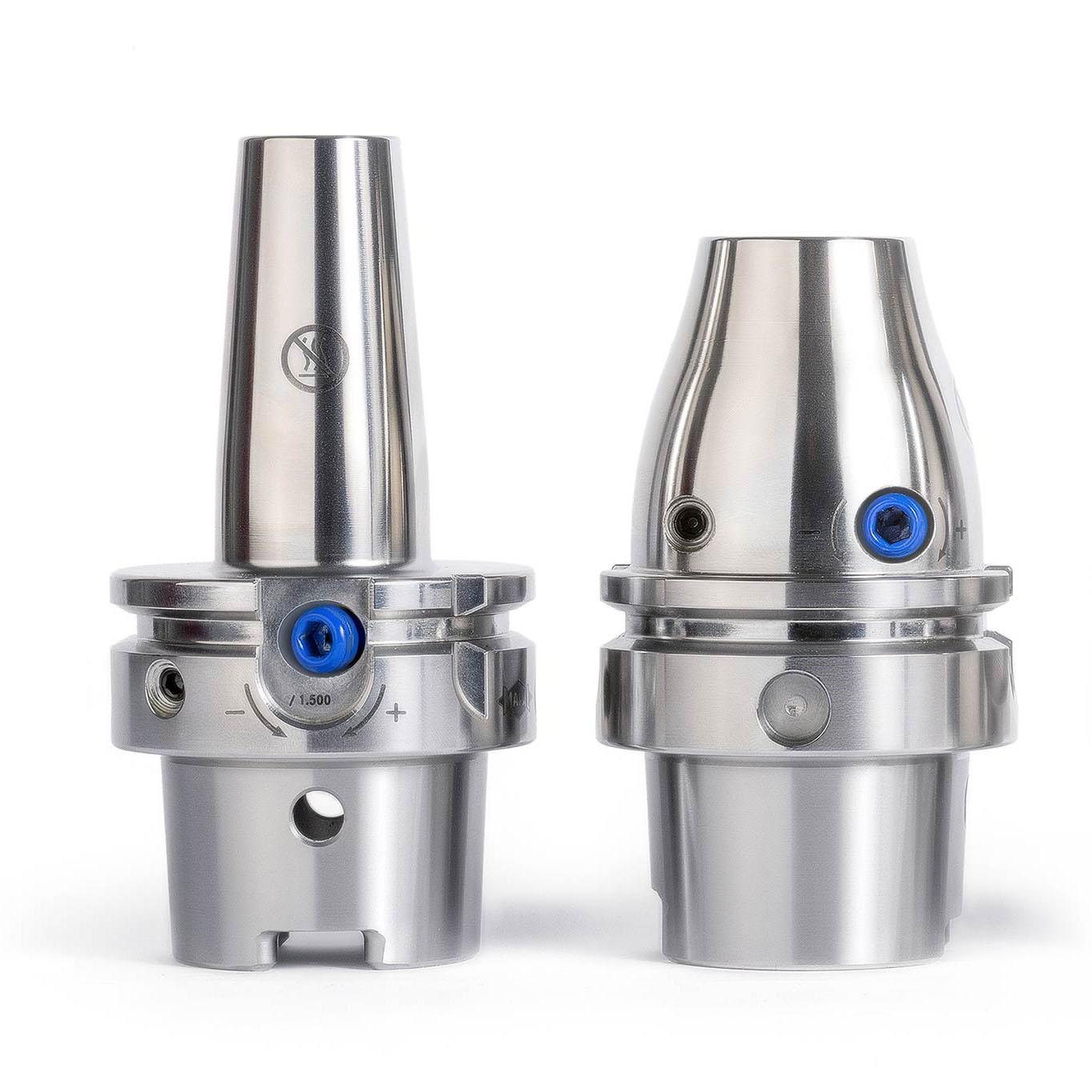
Heute bezieht Walter 80 Prozent seiner Spannfutter und Werkzeuge von MAPAL. „Mich überzeugt an den MAPAL Produkten nicht nur deren Qualität und Leistungsfähigkeit. Ich erhalte zudem Spannfutter und Werkzeug aus einer Hand – so sind beide Komponenten optimal aufeinander abgestimmt“, sagt Dr. Jens Buchert. Zudem habe MAPAL für ihn ein großes Plus wegen des Know-hows und der Flexibilität im Sonderbereich: „Wenn wir besondere Geometrien beispielsweise an Radiuskopierfräsern aus Vollhartmetall benötigen, fertigt uns MAPAL diese Werkzeuge schnell und unkompliziert.“
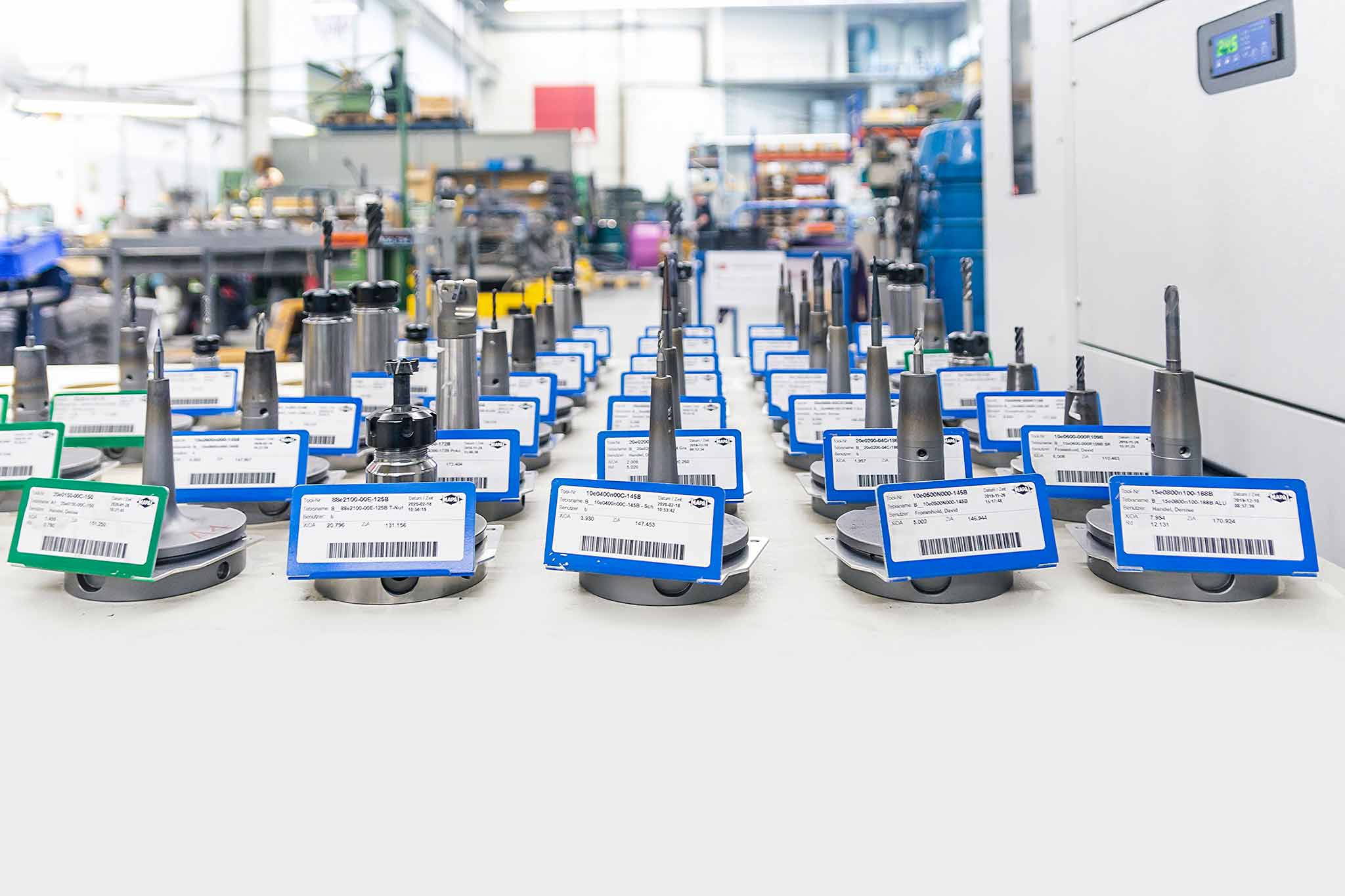
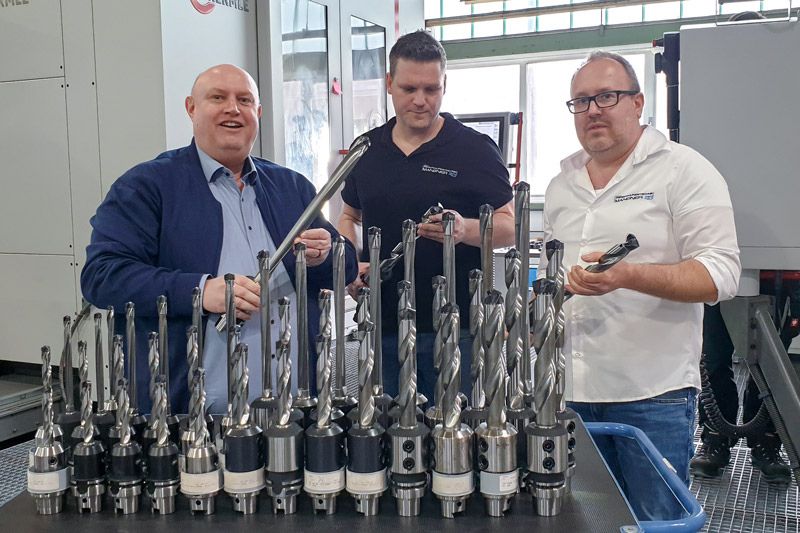
Gerüstete Werkzeuge, die auf ihren Einsatz in der Maschine warten. Über einen Barcode sind sie eindeutig identifizier-bar. 80 Prozent der Werkzeuge und Spannfutter bezieht Walter Formenbau von MAPAL.
Neben den Produkten unterstützt MAPAL den Formenbauer zudem auf dem Weg zur vernetzten Fertigung. Ein Punkt war die schwierige Auffindbarkeit von Werkzeugen. „1,5 Mannjahre kamen bei uns auf die Suche und das Zusammenstellen von Werkzeugen zusammen“, bekennt Dr. Buchert. Die UNIBASE Software bot die Lösung.
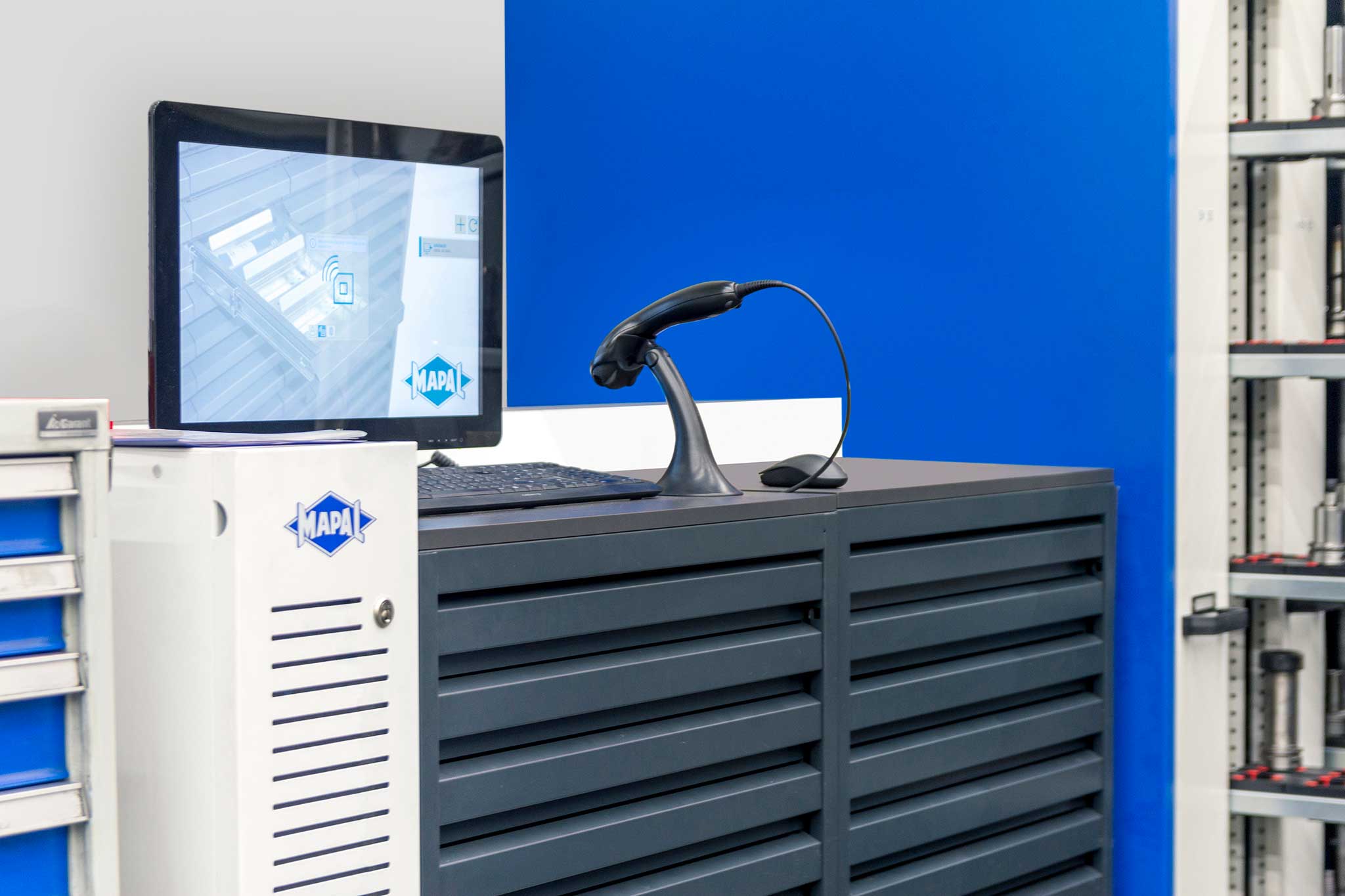
Walter hat in der Fertigung zwei UNIBASE-M Ausgabesysteme von MAPAL. Damit wird massiv Zeit eingespart, die zuvor für die Suche von Werkzeugen aufgewendet wurde.
Ausgabesysteme für Ordnung und Transparenz
„Wir haben die Daten aus dem CAM-System in die Software integriert und zwei UNIBASE-M Ausgabesysteme installiert“, sagt Stephan Köstler, Manager Engineering Mechatronische Systeme bei MAPAL. „Das Team rund um Köstler hat zudem einige unserer bereits bestehenden Schränke an das System angeschlossen“, ergänzt Buchert. In der Software ist nun genau hinterlegt, welche Werkzeuge in welchen Abmessungen vorhanden sind und wo sie zu finden sind. Wenn ein Mitarbeiter ein Werkzeug aus dem UNIBASE-M entnimmt, registriert das die Software.
So erleichtert die Software den Einkäufern bei Walter die Arbeit. Einmal in der Woche generiert das System eine E-Mail, welche Bestände vorhanden sind und was nachbestellt werden sollte. Damit ist die Verfügbarkeit der Werkzeuge deutlich besser sichergestellt als zuvor.
c-Connect für Vernetzung und Automatisierung
Um weitestgehend automatisieren zu können, hatte für Dr. Buchert zudem die Vernetzung seiner Maschinen Priorität. Allerdings gestaltete sich das für den Formenbauer schwierig aufgrund des sehr heterogenen Maschinenparks. „Auch hierfür bieten wir die optimale Lösung“, sagt Stephan Köstler. Als Pilotprojekt hat Buchert zwei seiner Maschinen komplett automatisiert, auch die Beladung wird von einem Roboter übernommen. An beiden Maschinen schlossen die Experten von MAPAL eine c-Connect Box an. c-Connect ist ein Produkt des MAPAL Tochterunternehmens c-Com.
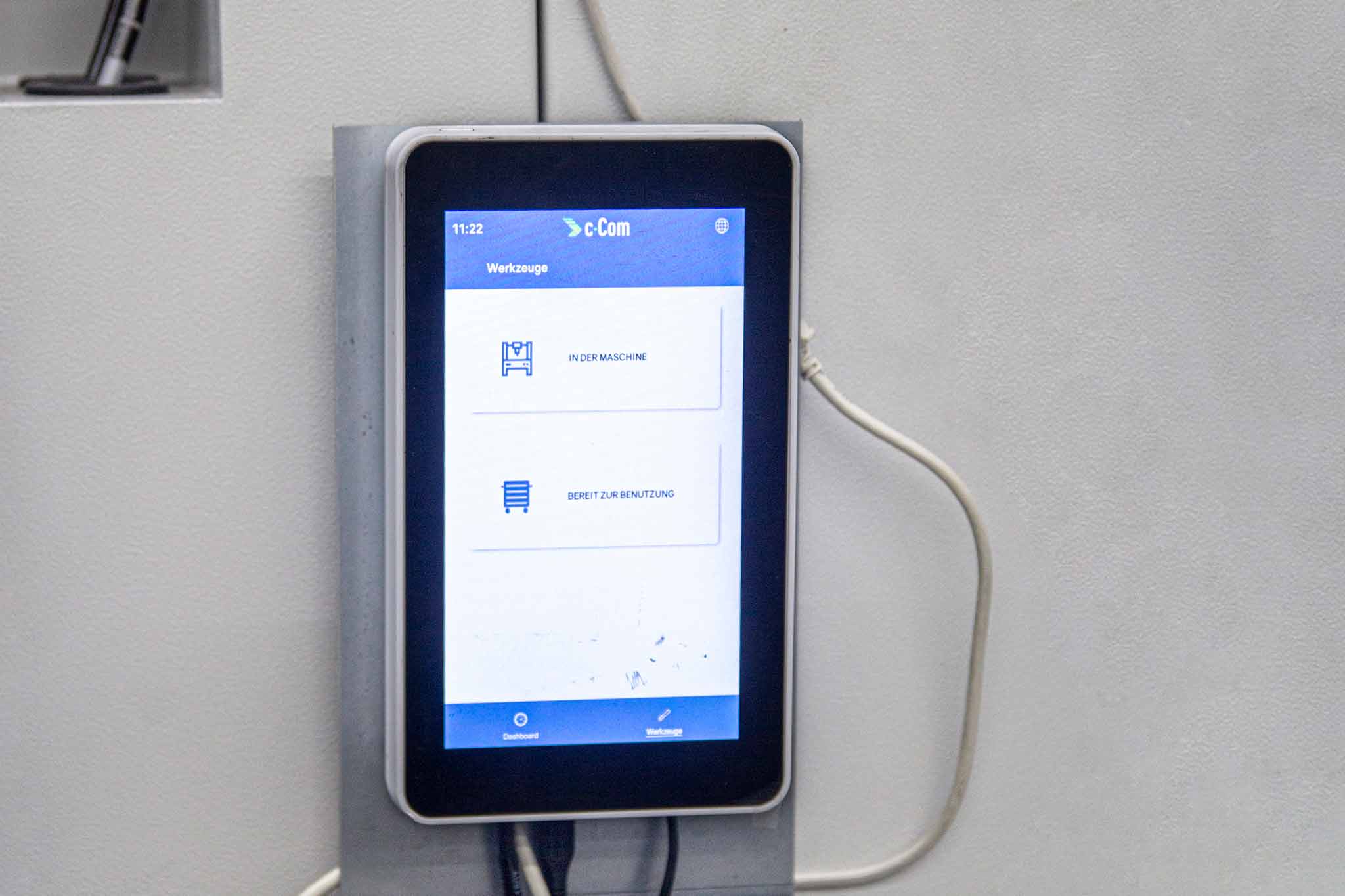
An zwei Maschinen ist bei Walter eine c-Connect Box angeschlossen. Darüber werden die Messdaten der Werkzeuge an die Maschine weitergegeben.
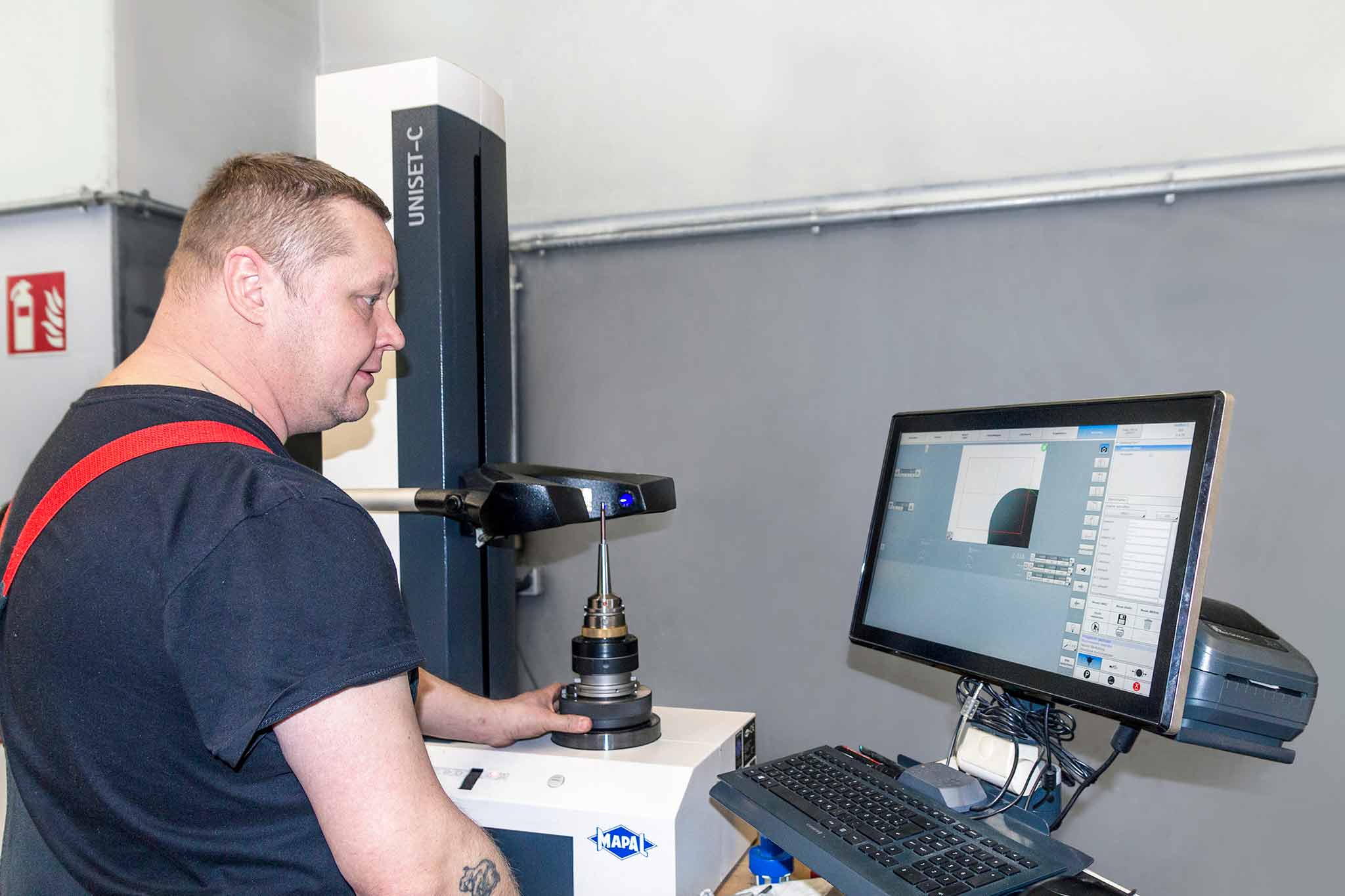
Durch die c-Connect Boxen sind die Maschinen mit der Open-Cloud-Plattform c-Com verbunden. Diese wiederum ist auch mit dem Einstellgerät UNISET-C verbunden, das in das CAM-System von Walter integriert ist. So kann sich der Bediener am Einstellgerät direkt das Messprogramm für das jeweilige Werkzeug aus dem CAM-System anzeigen lassen und starten. Die so ermittelten Messdaten spielt das UNISET-C über c-Com und die c-Connect Box direkt an die Maschine zurück.
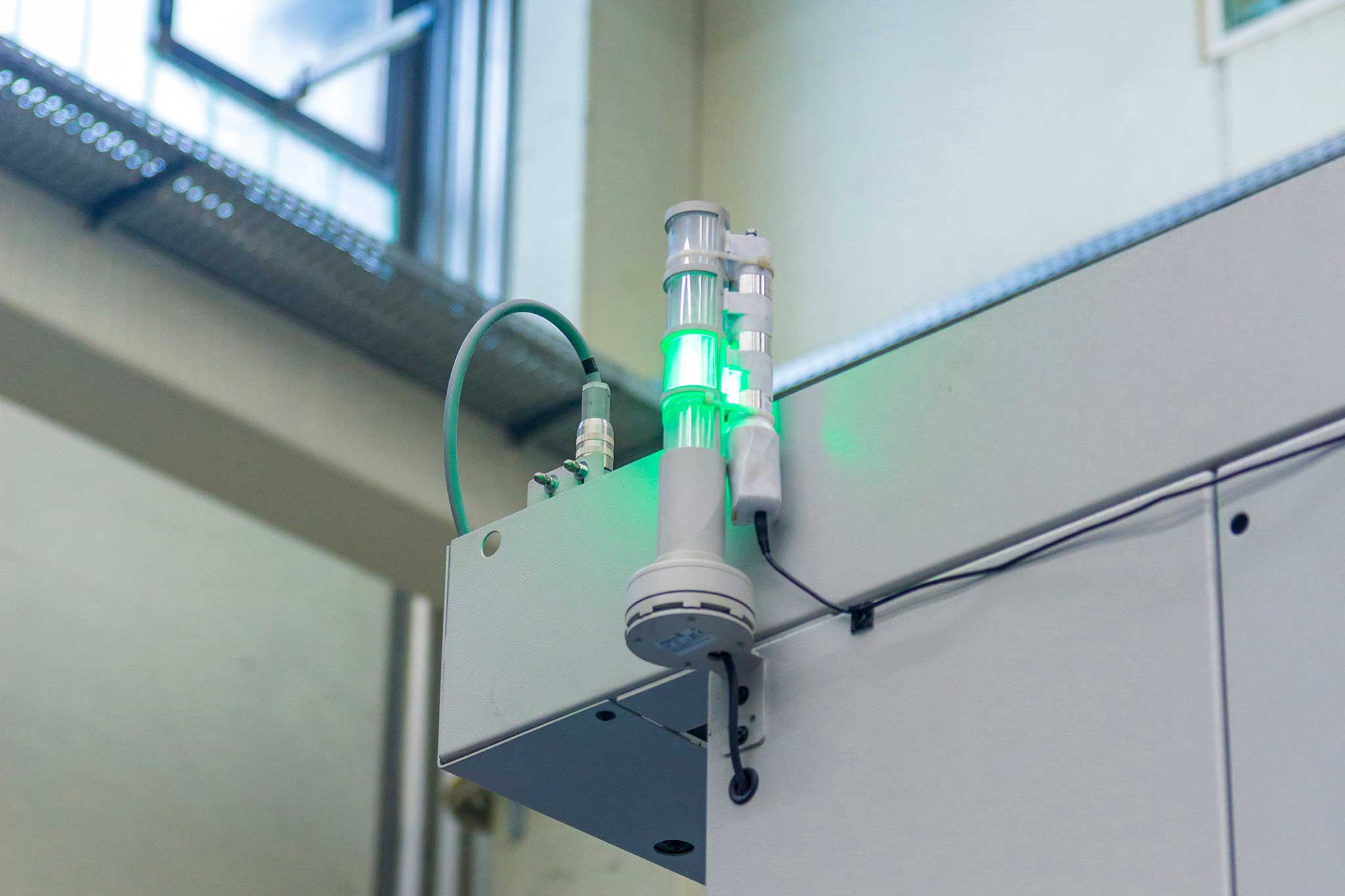
Walter nutzt einen weiteren Vorteil der c-Connect Box – über Sensoren wird der Zustand der Maschinenampel überwacht.
Vernetzung wird weiter ausgebaut
Neben der Übertragung der Daten bietet c-Connect weitere Vorteile für Walter. Beispielsweise werden die Standzeiten der Werkzeuge erfasst und die Bedarfe registriert. Und: Walter nutzt die Zusatzfunktion der c-Connect Box – die Maschinenüberwachung. Über Sensoren erfasst die Box den Zustand der jeweiligen Maschinenampel. So erhält Dr. Buchert schnell und einfach eine Auswertung über die OEE (Gesamtanlageneffektivität). „Sobald diese beiden Pilotmaschinen reibungslos autonom arbeiten, ziehen wir unsere weiteren Maschinen nach“, sagt er.
Es sind nicht die einzelnen Bestandteile, die die Zusammenarbeit von Walter und MAPAL bestimmen. Es ist viel mehr das große Ganze und das Lernen voneinander. „Durch die enge Zusammenarbeit, haben wir die Branche des Werkzeug- und Formenbaus sehr intensiv kennengelernt“, bestätigt Alfred Baur. Dr. Jens Buchert unterstreicht: „Die Flexibilität von MAPAL hat mich überzeugt. Für mich bietet es einen Mehrwert alles aus einer Hand zu bekommen und genau einen kompetenten Ansprechpartner zu haben“.
Arbeiten partnerschaftlich zusammen. Von rechts: Dr. Jens Buchert, Eigentümer und Geschäftsführer der Karl Walter Formen- und Kokillenbau GmbH & Co. KG, und Alfred Baur, Außendienstmitarbeiter von MAPAL.
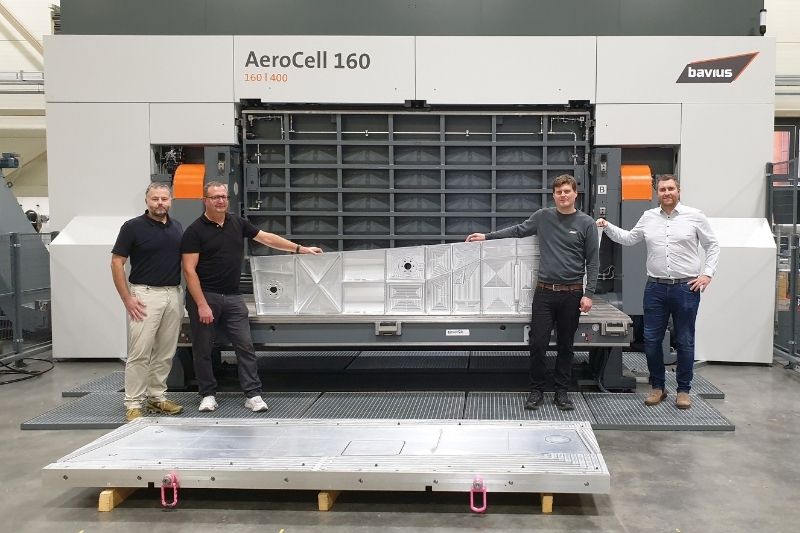
In der aktuellen Ausgabe des Technologie-Magazins IMPULSE geht es neben der Verschmelzung der deutschen Standorte im Schwerpunkt um den Bereich Aerospace.