15.01.2020
Guss- und Stahlbauteile wirtschaftlicher fräsen
Neues Fräsprogramm mit radialen Wendeschneidplatten bietet konkreten Mehrwert
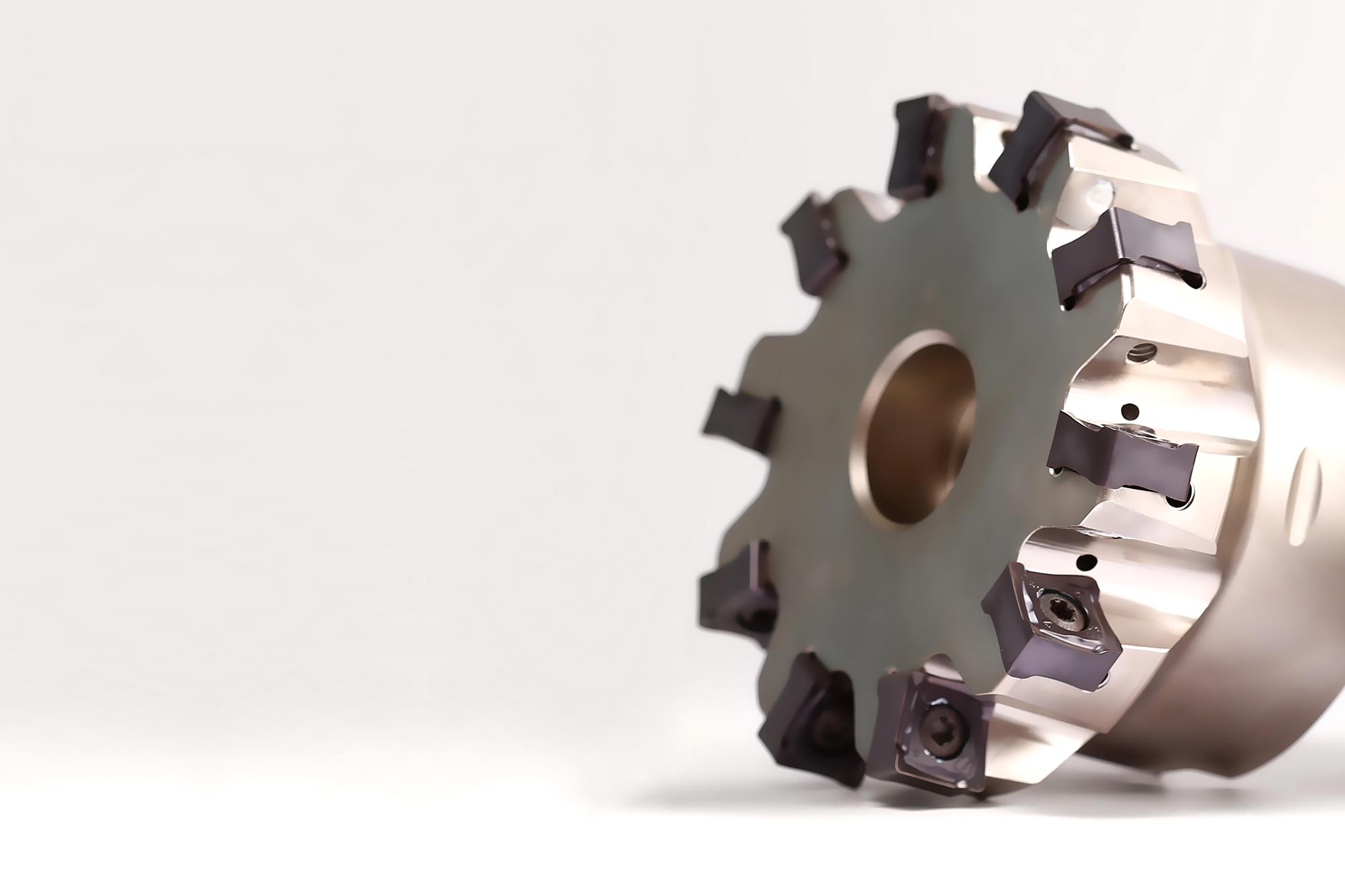
Ob Turbolader, Achsschenkel oder Zylinderblock – Kunden bearbeiten Bauteile aus Stahl und Guss mit dem radialen Wendeplatten-Fräsprogramm von MAPAL deutlich wirtschaftlicher als mit bisherigen Lösungen. Nach dem Produktlaunch im Jahr 2018 sind heute zahlreiche messbare Erfolge beim Serieneinsatz der Werkzeuge zu verzeichnen.
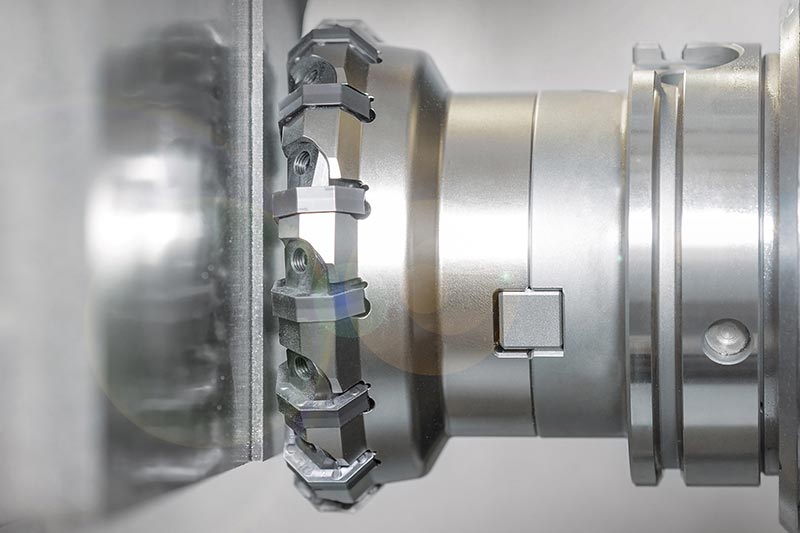
Ein kurzer Rückblick: Zur AMB 2018 in Stuttgart präsentierte MAPAL erstmals ein Fräsprogramm mit gepressten, radialen Wendeschneidplatten. „Dieser Schritt war nur konsequent, um unserem Anspruch gerecht zu werden, Komplettanbieter für unsere Kunden zu sein“, sagt Dr. Wolfgang Baumann, der den Produktbereich Werkzeuge mit ISO-Elementen bei MAPAL verantwortet. „Nun wollen wir unseren Kunden aber nicht nur liefern, was sie an Werkzeugen und Spannfuttern für ihre Bearbeitung benötigen, sondern ihnen darüber hinaus mit unseren Lösungen einen Mehrwert bieten.“ Entsprechend umfassend und detailreich sieht das Programm der neuen Werkzeuge aus.

„Bevor wir dieses Fräsprogramm auf den Markt gebracht haben, lag unser Fokus vor allem darauf, unsere Kunden bei besonderen Anwendungen zu unterstützen – zum Beispiel bei großen Aufmaßen oder instabilen Bedingungen“, erläutert Dr. Baumann. Diese Bearbeitungen realisiert MAPAL meist mit geschliffenen tangentialen Wendeschneidplatten. „Nun sind wir natürlich nicht die ersten, die ein radiales Fräsprogramm anbieten. Wir schließen damit lediglich eine Lücke in unserem Portfolio“, gibt er zu. Allerdings: „Wir haben bei den Sonderanwendungen umfassendes Know-how gesammelt, das in die Entwicklung unserer gepressten, radialen Schneiden eingeflossen ist. So bieten sie einen deutlichen Mehrwert, vor allem wirtschaftliche Vorteile für die Anwender.“
Cost-per-Part in zahlreichen Anwendungen deutlich gesenkt
„Dass sich die akribische Arbeit für unsere Kunden heute auszahlt, zeigen die Erfolgsgeschichten, die wir seit einem Jahr verzeichnen“, freut sich Dr. Baumann. Die neuen Werkzeuge und Schneidplatten senken die Cost-per-Part (CPP), also die Bearbeitungskosten pro Bauteil, in zahlreichen Anwendungen. Dafür gibt es mehrere Gründe:
- Ablösen anderer, nicht optimaler Werkzeuge;
- Deutlich längere Standzeiten pro Wendeschneidplatte;
- Gleiche Bearbeitungszeiten pro Bauteil mit weniger Schneiden;
- Deutlich höhere Schnittdaten durch höhere Zähnezahl;
- Mehr Schneidkanten pro Wendeschneidplatte, daher längere Standzeit pro Wendeschneidplatte.
Exemplarisch verdeutlichen drei Bearbeitungen an Kundenbauteilen den Mehrwert, den das radiale Fräsprogramm bietet.
Planfräser Turbolader: Kosten pro Bauteil um 44 Prozent niedriger
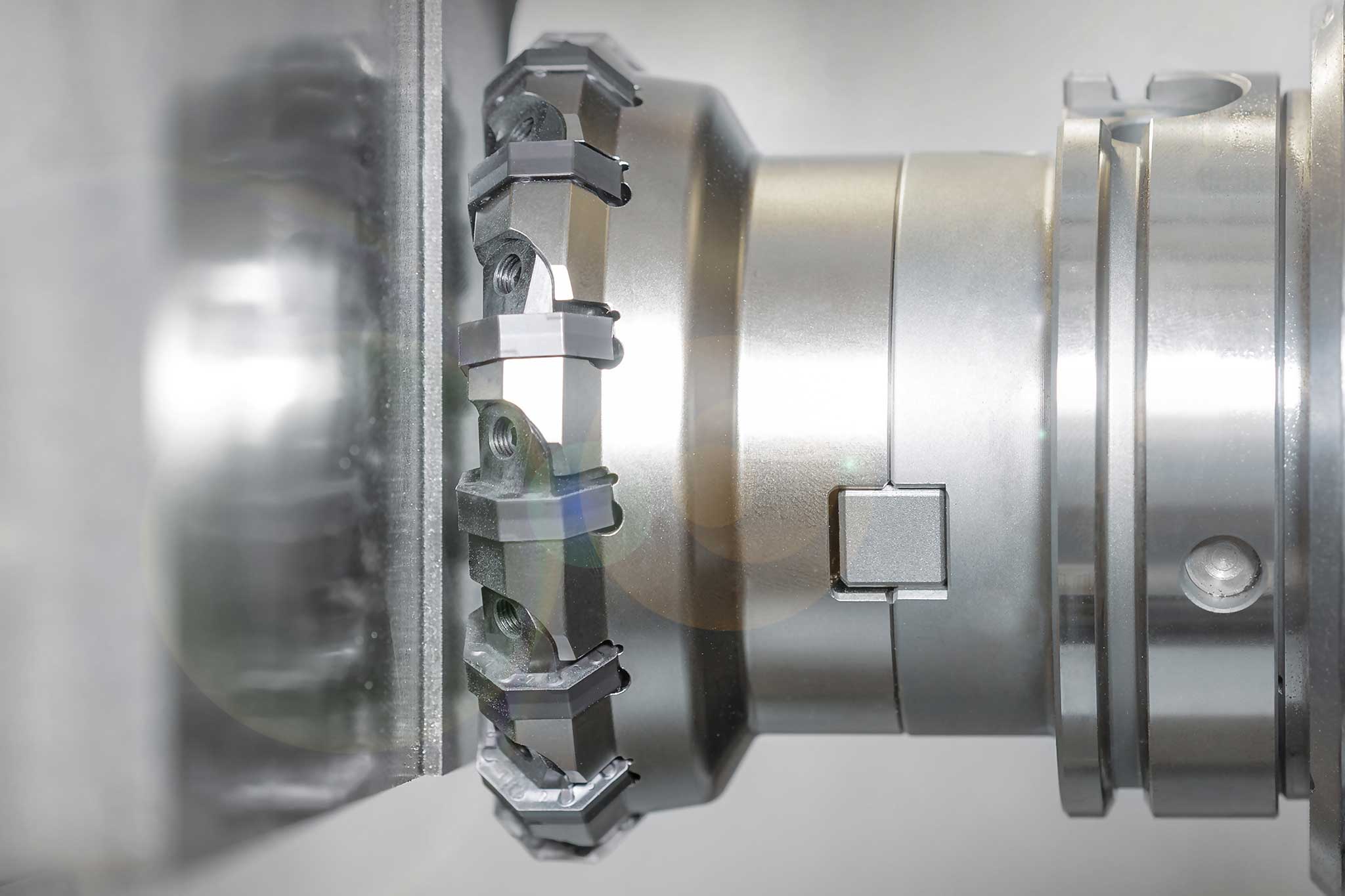
Bei der Turboladerbearbeitung bearbeitet ein Planfräser mit Durchmesser 100 mm von MAPAL die Heißseite aus rostfreiem Stahl. Das Werkzeug ist neunschneidig ausgeführt, im Gegensatz zum zuvor im Einsatz befindlichen siebenschneidigen Werkzeug. Die Wendeschneidplatten unterscheiden sich darüber hinaus in der Anzahl der Schneidkanten: die MAPAL Schneiden weisen 16 Schneidkanten auf, die Schneiden des Mitbewerbs nur 12. Bei deutlich erhöhter Vorschubgeschwindigkeit fräst das MAPAL Werkzeug 50 Prozent mehr Bauteile. Die Taktzeit sinkt erheblich, und die Kosten pro Bauteil sind mit der MAPAL Lösung um 44 Prozent niedriger als zuvor.
Um 58 Prozent reduzierte Kosten pro Bauteil bei der Achsschenkelbearbeitung
Ein Eckfräser bearbeitet verschiedene Anschlussteile eines Achsschenkels aus Gusseisen mit Kugelgraphit mit Aufmaßen zwischen 2,5 und 4,5 mm. Ein sechsschneidiger Eckfräser von MAPAL mit acht Schneidkanten pro Wendeschneidplatte ersetzt ein Wettbewerbswerkzeug mit sieben Wendeschneidplatten je vier Schneidkanten. Trotz des negativen Freiwinkels erzielt das MAPAL Werkzeug die gleiche Standzeit wie die bisher eingesetzte Lösung mit positiv ausgerichteten Wendeschneidplatten. Zwar bearbeitet der neue Fräser genauso viele Bauteile wie zuvor, allerdings sinken die Kosten pro Bauteil um mehr als die Hälfte: um 58 Prozent.
Zylinderblockbearbeitung: Standzeit um 88 Prozent gesteigert
An einem Zylinderblock aus Gusseisen mit lamellarem Graphit sind verschiedene Flächen mit einem Eckfräser zu schruppen. Die Aufmaße schwanken zwischen 2 und 5 mm. Der achtschneidige Eckfräser von MAPAL ersetzt einen ebenfalls achtschneidigen Eckfräser des Wettbewerbs. Jedoch weist die MAPAL Lösung acht Schneidkanten pro Wendeschneidplatte auf, eine Verdoppelung. Bei gleichbleibenden Arbeitswerten ist die Standzeit des MAPAL Werkzeugs deutlich höher: Es bearbeitet trotz negativ ausgerichteter Wendeschneidplatten 60 statt vorher 32 Bauteile. Die Cost-per-Part sinken um 58 Prozent.